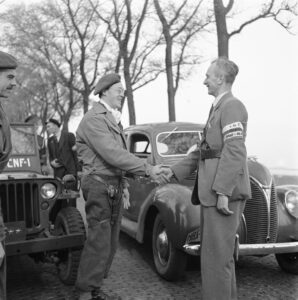
Binnenlandse Strijdkrachten or Domestic Armed Forces was a resistance organization in World War II. During World War II, there were many resistance local organizations working all over the country. When the liberation of the Netherlands started in September 1944, these organizations merged to form the Binnenlandse Strijdkrachten. Head of the organization was Prince Bernhard, the husband of crown princess Juliana. My grandfather Jan Marijnissen joined the Binnenlandse Strijdkrachten in … [Read more...]
Dutch term – Dwangarbeider
30 March 2020 by Leave a Comment
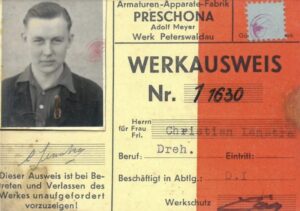
A dwangarbeider is a forced laborer. During World War II, many able men from the Netherlands were forced to work in Germany. The German factories and other places of employment needed laborers since so many of their own men were fighting in the army. Local labor offices in the Netherlands coordinated the placement. Both my grandfathers were required to go to Germany as forced laborers. My paternal grandfather Henk Hoitink went into hiding on my grandmother's farm (his fiancée at the time) … [Read more...]
Dutch term – Lente
23 March 2020 by 1 Comment
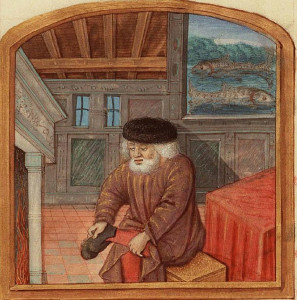
Lente or voorjaar is the Dutch word for Spring. Spring was traditionally the time for sowing the crops for the coming season. Work contracts were often renewed in Spring as well. This is the reason why so many farmers got married in May. They'd serve their contract out and then start their own farm and family. … [Read more...]
Dutch term – Weeshuis
16 March 2020 by 2 Comments
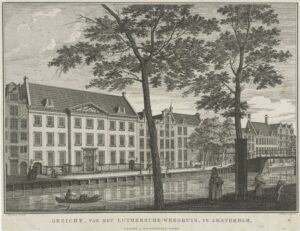
A Weeshuis (literally: orphan's house) is an orphanage. Only larger cities had a special orphanage. In smaller cities, orphans were often found families to live with, who would receive a fee for their upkeep. Archives of weeshuizen often include the records of the orphans they took care of. This could tell you when they were admitted, what education they received (often a trade like shoe making for boys and seamstress for girls), and when they were discharged. In the case of abandoned … [Read more...]
Dutch term – Hollandgänger
24 February 2020 by 6 Comments
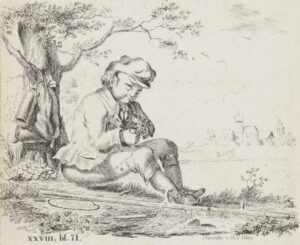
This week's term isn't Dutch at all, it's German. Hollandgänger literally means Holland-goer. It's a German term to describe seasonal workers who would come to the Netherlands to work. They'd walk to the Netherlands in spring, work here all summer, and then return to their families in Germany in the autumn. Most of these people were poor farm laborers from Westphalia, Münsterland, Osnabrück, or East-Friesland. Some of these workers met their partners in the Netherlands and stayed here. … [Read more...]
Dutch term – Woonplaats
17 February 2020 by Leave a Comment
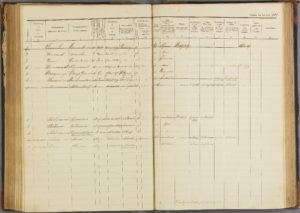
Woonplaats literally means "living place" and is the place of residence. After the introduction of the civil registration, deaths were always recorded in the woonplaats as well as in the place of death. A copy of the death record would be forwarded to the place of residence. This is useful if your ancestor died elsewhere, for example because they were in a hospital out of town, or died at sea. See the record analysis example - death record. You may also encounter the term woonplaats in … [Read more...]
Dutch term – Opzichter
10 February 2020 by Leave a Comment
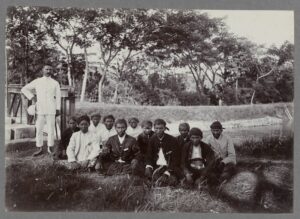
An opzichter is an overseer. If you find that your ancestor was an opzichter, that can be a clue to find more records about him. Opzichters were hired by various organizations like hospitals or prisons. In former Dutch colonies, you can find overseers on plantations or managing enslaved people. The organizations the overseers worked for may have created records that shed more life on your ancestors' lives, or for the people they oversaw. If you are looking at a death record and the … [Read more...]
Dutch term – Archiefbeschrijving
27 January 2020 by Leave a Comment
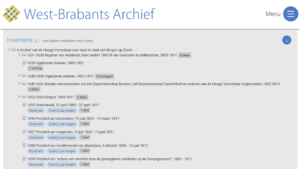
An archiefbeschrijving is an archival description. To describe their holdings, archives create archival descriptions. Descriptions can be high-over ("incoming correspondence 1800-1810") or detailed ("accounts of the orphans of Laureijs Smulders, 1606"). Archival descriptions are typically organized per record group and published in the form of finding aids or catalogs. Most archives in the country have published their archival descriptions online. In a growing number of cases, scans are … [Read more...]
Dutch term – Zoeaaf
13 January 2020 by Leave a Comment
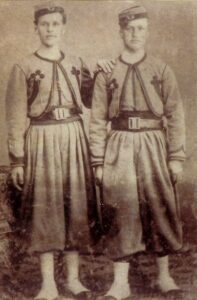
A zoeaaf is a zouave, a member of the infantry forces of the Papal states. In the mid 1800s, the Papal states were threatened by forces in Italy who wanted all the states to join under one nation. In 1860, pope Pius IX sent out a call to young unmarried Catholic men to join the infantry force and defend the papacy. The zouave papal infantry force existed from 1861 and 1870. The men volunteered for a period of two years, and some extended. In total, about 11,000 men enlisted with the … [Read more...]
Dutch term – Schaats
6 January 2020 by Leave a Comment
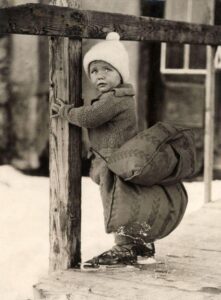
A schaats is a skate. Skating is a popular sport in the Netherlands, and has been for a long time. Many parts of the Netherlands are very boggy, and are drained by creeks and levies. In winter, skating was an efficient way to get around. When I was about ten years old, I'd skate to school if the weather allowed it. There were several ponds between me and my school. I'd bring skate protectors to walk from one pond to the other and would have my shoes in my backpack to wear in school. … [Read more...]