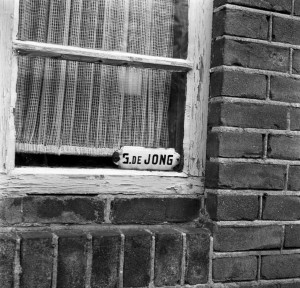
If you're trying to figure out what the original name of your immigrant ancestor was, don't just focus on official translations, but also figure out what names may have sounded the same. For example, a woman named Jessica in Australia may well have been called Tjitske. A man named Dick (short for Richard) in the United States may well have been Dirk (short for Theodorus) in the Netherlands, even though the official translation would have been Theodore. A Dutch woman named Aaltje may have … [Read more...]
Dutch term – Horige
30 November 2015 by 1 Comment
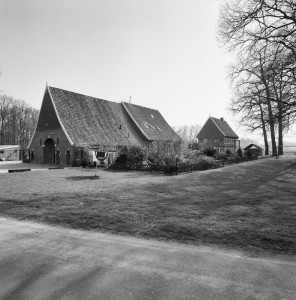
A horige is a serf or villain, an un-free farmer who was bound to the land. Serfdom started in the Middle Ages. In most parts of the Netherlands, it was abolished by the 1500s. In some parts, like the eastern parts of Drenthe, Overijssel and Gelderland, a diluted form of serfdom continued until the French occupation of 1795. Rights and duties of serfs The specific rights and duties of a serf depended on the overlord, time and place, but in general, serfs have the following features in … [Read more...]
Sinterklaas Giveaway – Dutch Genealogy Webinar
27 November 2015 by Leave a Comment
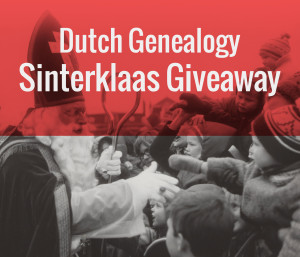
On 5 December, we will celebrate Sinterklaas, the holiday of Saint Nicholas that inspired Santa Claus in other countries. Sinterklaas has already arrived and children all over the country are setting their shoe by the fireplace (or central heating) with a carrot for the horse of Sinterklaas, hoping that Sinterklaas and his helpers will give them some presents. Giveaway: Dutch Genealogy webinar To join in the gift-giving, I will be giving away a copy of my "Researching Your Dutch Ancestors" … [Read more...]
Quick tip – Share Your Family Stories
25 November 2015 by Leave a Comment
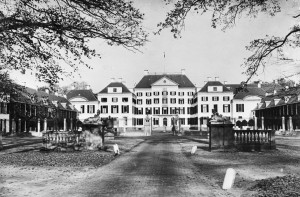
Two weeks ago, I shared a story on this site's Facebook page. Here's what I wrote: My grandfather lived in one of the wings of this castle when he served on the staff of Prince Bernhard during the last months of World War II. Apeldoorn was liberated at the end of 1944 and became the headquarters while the resistance and allied forces were planning to reconquer the west of the country, which took until May 1945. My grandfather told us a story how the Queen was upset one day that the soldiers … [Read more...]
Dutch Term – Stamreeks
23 November 2015 by Leave a Comment
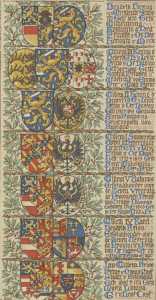
A stamreeks is a pedigree that follows just one line of ancestors, usually the male line. In most cases, this will trace the last name. Other variations trace the female line only, or follow the last name even if it is descended from a woman (in the case of an illegitimate child or farm name). A stamreeks can be in a narrative format or in chart form. … [Read more...]
Stumbling Blocks – Remembering Debora Hedeman and Bertha Zilversmit
20 November 2015 by 6 Comments
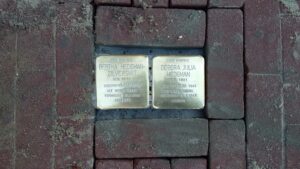
Last month, twenty bronze monuments were installed in my home town of Oldenzaal. They are Stolpersteine, "stumbling blocks," about 10x10 cm (4x4") large bronze stones inscribed with the name of a Jewish resident who was murdered during the Holocaust. They are placed in the pavement in front of the house where they last lived. These Stolpersteine are a project of German artist Gunter Demnig, created to commemorate the victims of Nazi persecution in the place where they once lived. To bow over … [Read more...]
Quick tip – Deaths are recorded in the place of residence
18 November 2015 by 3 Comments
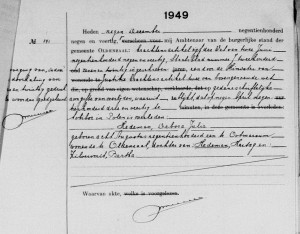
If a person died in a different location than where he lived, the civil registration of his place of residence would also record his death. Often, they would receive a copy of the death record that was created in the place of death, and would then record that copy in their own death registers. This was also done after World War II, to record all the Dutch Jews who were murdered in Eastern Europe. Sometimes it took many years to find out where and when a person died, so many towns have death … [Read more...]
Dutch term – Graf
16 November 2015 by Leave a Comment
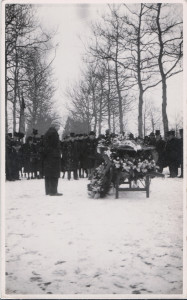
A graf is a grave. In the Netherlands today, burials take place in special cemeteries, often at the outskirts of towns. Before 1827, most people would have been buried in or around the church. Read how graves are routinely cleared after several decades, and check out these Dutch alternatives to Find a Grave to see if your ancestors' graves survive. … [Read more...]
Signed, Sealed, & Undelivered: Amazing Collection of 17th Century Letters Rediscovered
13 November 2015 by 1 Comment
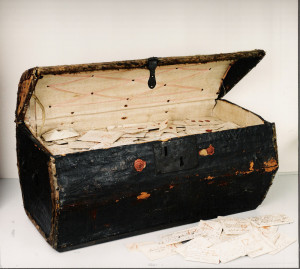
The Museum voor Communicatie discovered an amazing treasure in their vaults: a box that belonged to a postmaster in the 17th century, filled with 2600 undelivered letters, 600 of which have never been opened. The letters came to The Hague from France, the Southern Netherlands and Spain. Dr David van der Linden, from the University of Groningen, says: "The collection contains unique letters sent between Huguenot family members, evincing the emotional strains of exile and separation. These … [Read more...]
Quick tip – Orphans left records too
11 November 2015 by Leave a Comment
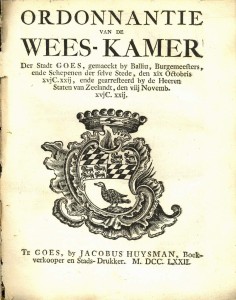
If children were orphaned, guardians were appointed. Before 1811, some regions had special weeskamers (orphan chambers), in other regions these appointments were handled by the court. After 1811, all guardianship appointments were handled by the court. Read more about using guardianship records to learn about your orphaned ancestors. … [Read more...]