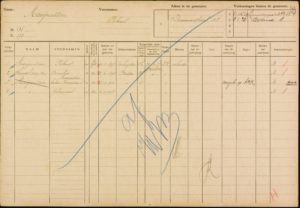
In May 2018, a new data protection law (AVG) will go into effect in the Netherlands. This is causing many archives to reconsider their privacy policies. Some archives have published population registers from the period 1918-1939 online, and are now taking them offline again since these may contain information about living people. The Apeldoorn CODA archives have already done so. Unfortunately, that will also limit access to the information about people who are deceased, which is the majority … [Read more...]
Quick tip – Download Population Registers from the 1900s While You Can
31 January 2018 by 9 Comments
Quick tip – Emigrants in the 1800s came from poor areas
24 January 2018 by 8 Comments
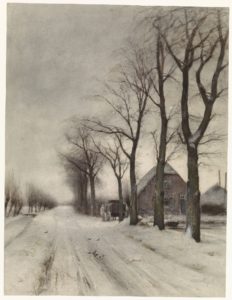
If your ancestors left the Netherlands in the 1800s, chances are that they came from poor areas of the Netherlands such as East-Groningen, Friesland, Gelderland, Zeeuws-Vlaanderen, Limburg, or East-Brabant. These agricultural communities were hit hardest when the potato famine struck in the 1840s, and later when cheap American grain flooded the market. … [Read more...]
Dutch term – Vrij
22 January 2018 by Leave a Comment
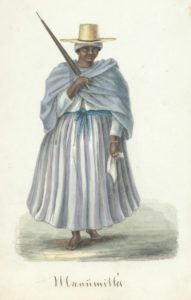
Vrij means "free," as in freedom. You may encounter the word vrij in different contexts in genealogical records: A vrije persoon [free person] was someone who was not enslaved and who was not a serf. A vrij goed [free property] was a property (typically a farm) that did not have feudal obligations. Vrij van belasting [free of taxes] means that no taxes were levied on the goods. … [Read more...]
Quick tip – Study the Siblings if you’re Stuck
17 January 2018 by 2 Comments
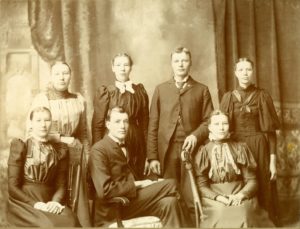
If you're stuck and can't find your ancestor's parents, try researching the siblings and other relatives. Here are some suggestions to identify possible siblings: Baptismal records and marriage records often name the witnesses. Witnesses were typically close family members, such as siblings. Court records sometimes show several people buying or selling land together. These were often siblings. Collateral succession tax records may show your brick wall ancestor inheriting from a … [Read more...]
Quick tip – Some surnames were adopted gradually
27 December 2017 by 4 Comments
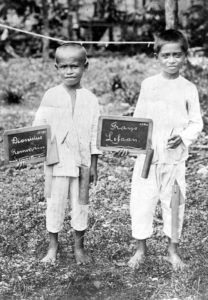
As you get further back in time, you will get to the point where you find the first person who adopted a surname. Sometimes that's a distinct event; for example when a Frisian family adopts a last name in 1811 because it is required by the Napoleonic laws upon the introduction of the civil registration. Before 1811, there were no laws and regulations that mandated people to have surnames. Names were often adopted gradually. Not all family members may have adopted the name. A person may appear … [Read more...]
Quick tip – Reusing images of records
20 December 2017 by Leave a Comment
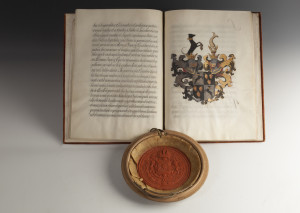
Many Dutch websites with genealogical records allow you to download scans. But it is not always obvious what you are allowed to do with these scans. You may want to upload them to your online tree, use them in a blog post, or include them in a book you're writing. With most public records published on websites of archives, you will be able to do that free of charge and without the need to ask for permission. The Dutch Wet Hergebruik van Overheidsinformatie [Reuse of Government Information … [Read more...]
Quick tip – Use notarial records
13 December 2017 by Leave a Comment
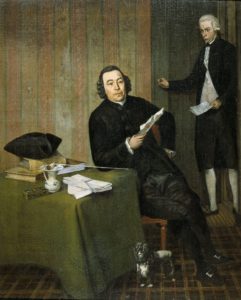
Notarial records are a great source of genealogical information. They can contain prenuptial agreements, business contracts, last wills, and estate divisions, giving you an insight into your anecstors' lives and family. Not all areas had notaries before 1811, in which case you can find these sources in local court records. A growing number of notarial and court records are available online, so if you haven't yet used these records, search again. Read more about Notarial Records. … [Read more...]
Dutch term – Erfgenaam
4 December 2017 by Leave a Comment
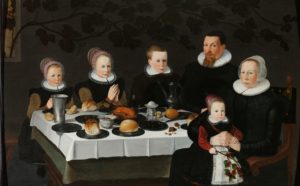
An erfgenaam is an heir. Most people in the Netherlands did not have wills, in which case you need to understand the local laws to know who the heirs would be. Most regions did not allow a person to disinherit the children completely, they would always receive their legitimate portion. Understanding the inheritance laws can help you figure out genealogical relations. Finding someone as an heir usually implies there is a family relationship. … [Read more...]
Quick Tip – Dutch Immigrants may not have Understood Each Other
22 November 2017 by 9 Comments
Dutch immigrants sometimes settled in places where Dutch people from other parts of the Netherlands came too. This doesn't mean they could understand each other. Before the age of radio and television, there was no common Dutch language that everybody understood. Different regions had different dialects, different languages even. Frisian and Low Saxon are completely different from Flemish, to name three examples. To this day, people speaking in their local language or dialect won't be … [Read more...]
Quick tip – Don’t add another generation just based on the patronymic
9 November 2017 by 1 Comment
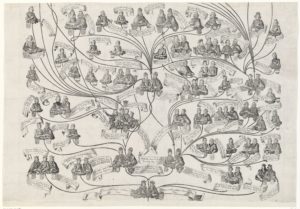
Your brick wall ancestor might be somebody who did not use a surname but went by patronymic only. He might be Leendert Pieters (son of Pieter), Jan Hendricks (son of Hendrick), or Claes Huijgens (son of Huijg or Hugo). The patronymic indicates the name of the father. It is a best practice in Dutch genealogy not to add another generation with just a first name. We only do that if we have found an independent record where the father appears in and if you've proven the connection to the son or … [Read more...]