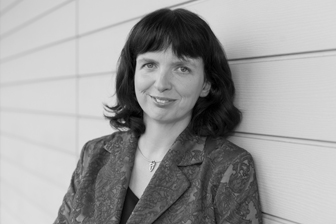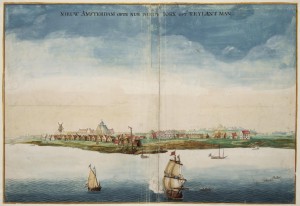
Yvette Hoitink is a guest of Jane E. Wilcox on the Forget-Me-Not-Hour, a radio show in New York that is also broadcast online. The show airs on 3 September at 11 AM New York time (5 PM Netherlands time). During the one-hour show, Yvette talks about finding Dutch colonial ancestors in the Netherlands. She gives tips about using clues in names to find the place of origin and explains the records that are available. Listen to the episode 'Dutch Research in Holland for Colonial NY Ancestors … [Read more...]
Dutch term – Herfstmaand
1 September 2014 by Leave a Comment
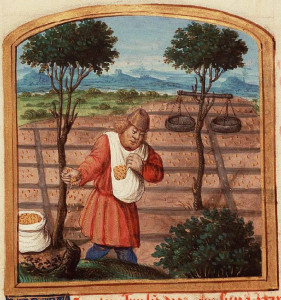
Herfstmaand (literally: Autumn month) is the old word for September. … [Read more...]
Europeana and genealogy
29 August 2014 by 1 Comment
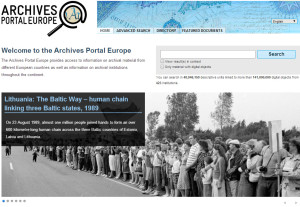
Earlier this week, I had my farewell party at the National Archives, where I had worked for 8.5 years as a consultant and project manager in the IT department. I quit my job to focus full-time on my genealogy business. Besides doing client research, I will also be doing consultancy for IT-projects in the heritage sector. Europeana and Archives Portal Europe My first consultancy project is a very exciting one. I will be investigating the opportunities for collaboration between Europeana and … [Read more...]
Dutch term – krant
28 August 2014 by Leave a Comment
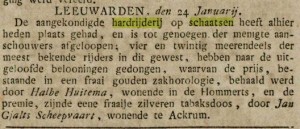
A krant (plural: kranten) is a newspaper. The first newspaper in the Dutch language was the Courante uyt Italien, Duytslandt, &c. that first appeared in 1618. The oldest newspaper that still exists is the Leeuwarder Courant, that has appeared since 1752. The Royal Library of the Netherlands is digitizing old newspapers and making them available for free at Delpher.nl. Click the tab kranten to search the newspapers. The website is only available in Dutch. Search for names of ancestors … [Read more...]
Quick tip – Catholic? Check for prayer cards
27 August 2014 by Leave a Comment
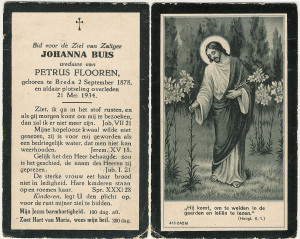
Were your ancestors Roman-Catholic? After their death, a prayer card ('bidprentje') may have been created. This card commemorates the deceased and often gives biographical information like the names of the spouse, date and place of birth and death. Read more about using prayer cards for your research … [Read more...]
Source: Family announcements
22 August 2014 by 1 Comment
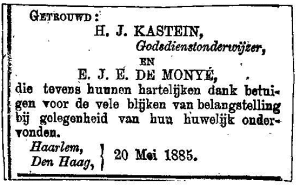
In the Netherlands, there has never been a tradition of writing biographical obituaries like you see in countries like the United States. Instead, "familieberichten" [family announcements] simply announce the death of a person. In the 19th century, only more affluent people had a familiebericht placed in the paper. It was usually very short and only signed by the closest relative, typically the spouse or eldest son. In the 20th century, the announcements became a bit more informative and … [Read more...]
Dutch term – Weeskamer
21 August 2014 by 5 Comments
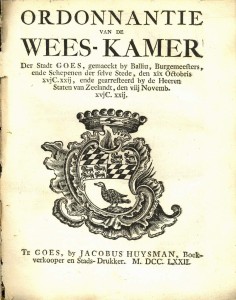
A weeskamer is the orphan chamber, a government body responsible for overseeing the administration of the estates of (half) orphans. Weeskamers should not be confused with orphanages: they did not take care of the orphans, just the administration of the estates. Weeskamers existed in most parts of the Netherlands until 1810. After 1810, their tasks were taken over by the court. They also existed in Dutch colonies, like New Amsterdam (present-day New York). Tasks of the orphan chamber After a … [Read more...]
Quick tip – Dutch Genealogy on Facebook
20 August 2014 by Leave a Comment

There are several Facebook groups and pages for people with Dutch ancestors: Dutch Genealogy Dutch in New Netherlands (New York area) 1609-1674 Genealogy Group Dutch Genealogy in Australia Dutch Genealogy Services The Facebook page for the company behind this website and newsletter. To keep in touch with Dutch culture, I also recommend the Stuff Dutch people like page. … [Read more...]
Fighting in church
15 August 2014 by 4 Comments
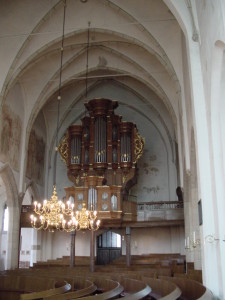
It is rare to find sources that show us the how our ancestors behaved in their every-day lives. Church council minutes can sometimes give us a glimpse. The church council minutes of Aalten are a good example. Church seats In Dutch Reformed Churches, most members had their own seats in the church. They would have benches built at their own cost, and had a reserved spot in the church for their use. Often, they had to pay for the privilege of having a bench in church, which provided the … [Read more...]
Quick tip: Endogamy did not start after immigration
13 August 2014 by 1 Comment
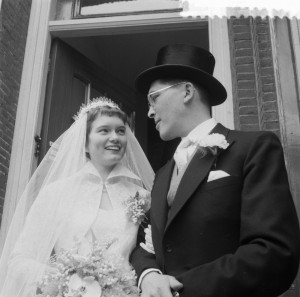
People whose ancestors live in small Dutch immigrant settlements have probably noticed that many of them were distant cousins. The size of these communities limited the pool of potential spouses. Endogamy (marrying within the community, also known as 'kissing cousins') is not unusual. What most people don't realize, is that many of these settlers came over as a group. Their community did not start across the ocean, but may well extend over several centuries. The places of origins were often … [Read more...]